stc46n2fb7g
air condition services for calm, reliable comfort
Clear steps. Fewer surprises. A cooler home that feels balanced, not blasted.
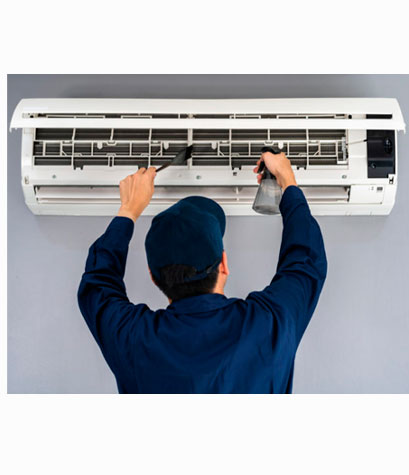
What air condition services typically include
- System inspection and performance snapshot.
- Cleaning of coils and condensate drain; light build-up is common.
- Filter replacement or guidance on sizing and MERV.
- Refrigerant pressure check and leak assessment.
- Electrical testing: capacitors, contactor, wiring.
- Airflow measurement and thermostat calibration.
- Duct glance for obvious leaks - not every home needs duct cleaning.
Simple paths to a decision
Three quick scenarios that steer the next step.
- New noises: rattles or buzzing that rise with the fan. Schedule diagnosis; parts may be minor.
- Uneven rooms: one room bakes, one freezes. Ask for airflow balancing and a static pressure check.
- Older unit: past 12 - 15 years and frequent calls. Compare repair vs. replacement, gently - numbers help.
A small, real moment
Tuesday morning, five minutes before a video call, the vent blows warm. A tech arrives that afternoon, tests a weak capacitor, swaps it, reseats a loose panel, and changes the filter you meant to buy last month. The hum returns, quietly predictable.
Before you schedule
- Note symptoms: sounds, times of day, and any error codes.
- Find model and serial numbers (indoor and outdoor units).
- Clear 3 feet around the outdoor condenser; trim plants.
- Secure pets and plan a simple path to the indoor unit.
- Have last service notes handy, if available.
Maintenance rhythm
Seasonal tune-ups help; in milder climates, one thorough visit can suffice - usually.
- Spring: cooling tune-up and coil clean.
- Mid-summer: filter check; replace if grayed or musty.
- Fall: drain line flush and quick electrical check.
DIY vs. pro
Some tasks are safe at home. Others belong to trained hands.
- DIY: replace filters, vacuum returns, keep vents open, update thermostat programs, gently rinse outdoor fins from the inside out.
- Pro: refrigerant handling, electrical repairs, deep coil cleaning, airflow diagnostics, control board work.
Clues you need service
- Warm air or weak airflow with the setpoint far from actual.
- Short cycling: frequent starts, little rest.
- Ice on lines or the outdoor unit, even in heat.
- Breaker trips or a burnt-electrical smell - stop and call.
- Musty odors from vents; inspect drain line and pan.
- Utility bill spikes without weather changes.
- Outdoor fan silent while compressor hums - or vice versa.
Costs and time
Visit length often runs 45 - 90 minutes; complex fixes can extend. Pricing varies by region, brand, and parts availability. Ask for a clear estimate and what's included, just to keep it tidy.
Picking a provider
- Proper licensing and insurance, stated up front.
- References or recent reviews with specifics, not slogans.
- Transparent pricing and part warranties in writing.
- Load calculations if replacement is suggested, not guesses.
- Respect for your home: drop cloths, clean-up, simple explanations.
- Service notes you can keep - photos help.
Options to explore
If replacement is on the table, compare SEER2 ratings, two-stage vs. variable-speed systems, and consider ductless units for room additions or offices. Quiet efficiency can matter more than headline tonnage.
Quick checklist
- Filter age under 60 - 90 days?
- Thermostat batteries fresh and schedule correct?
- Returns unblocked by furniture or rugs?
- Breaker on; disconnect seated?
- Outdoor top and fins clear of leaves and lint?
Small steps, then steady comfort. And if you're unsure, a short call to describe symptoms can narrow the path fast.